
You are now leaving the DiscoverTED website.
The linked sites are not under the control of Amgen, and Amgen is not responsible for the content available on the linked sites. Such links do not imply Amgen’s endorsement of material on any other site, and Amgen disclaims all liability with regard to your access to such linked websites. Amgen provides links to other Internet sites as a convenience to users, and access to such linked sites is at your own risk.
What is a TED flare?
A TED flare is when TED symptoms appear again after a period of stability. In a study of 415 patients, 15.7% of patients experienced recurrent TED. Most of these cases occurred within the first 1O years after the first episode of TED.
TED, Thyroid Eye Disease.
Keep Track of Your Thyroid Eye Disease
Note down your TED symptoms
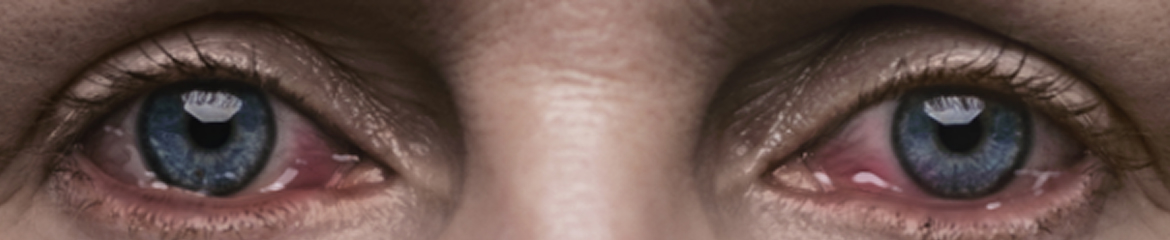
Your TED symptoms can change or get worse over time, making it important for you to observe and track any changes.
Keep track of how TED is affecting your day-to-day life and your state of mind as well. Be sure to share these details with your doctor when you are discussing your symptoms.
If TED is not managed, it can cause serious eye damage.
Use the following resources to monitor new or changing symptoms so you and your doctor can have a conversation.
TED tracking tools
Explore TED symptoms
Noticing changes in your symptoms is an important part of managing TED. Not sure what signs and symptoms to look for? Use the list of TED symptoms to help keep track and discuss them with your doctor.
Take selfies
Something as simple as a selfie each week can help keep track of how your TED symptoms are changing. Your doctor can use these photos to check if the disease is getting worse.
Below are a few tips on how to take a good selfie:
- Make sure your face is well lit
- Look straight at the camera
- Zoom in on your eyes, if possible

Keep a journal
You can use a journal to write down symptoms and changes to your vision over time. Feel free to print your results from the list of TED symptoms discussed to add to your journal.
You can also use your smartphone to record an audio journal of how your symptoms look or feel each day.
Be sure to note how your symptoms are affecting your emotions and your everyday activities. These are important details for your doctor to know.
