
You are now leaving the DiscoverTED website.
The linked sites are not under the control of Amgen, and Amgen is not responsible for the content available on the linked sites. Such links do not imply Amgen’s endorsement of material on any other site, and Amgen disclaims all liability with regard to your access to such linked websites. Amgen provides links to other Internet sites as a convenience to users, and access to such linked sites is at your own risk.
What is a TED flare?
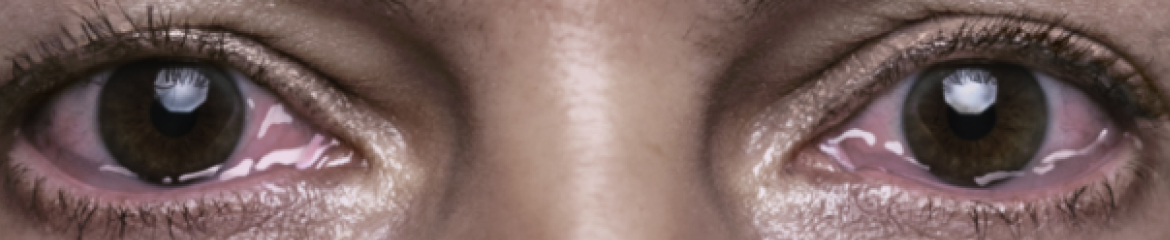
A TED flare is when TED symptoms appear again after a period of stability. In a study of 415 patients, 15.7% of patients experienced recurrent TED. Most of these cases occurred within the first 1O years after the first episode of TED.
TED, Thyroid Eye Disease.
Thyroid Eye Disease vs Graves’ Disease
TED and Graves’ disease run separate disease courses and require different doctors and management options
If you have Graves’ disease or another thyroid disorder, you may have heard of the eye condition known as TED, which is sometimes referred to as Graves’ eye disease or Graves’ orbitopathy or ophthalmopathy.
TED and Graves’ disease are both autoimmune disorders. That means your body’s immune system attacks your own tissue by mistake. In Graves’ disease, your thyroid is affected. When you have TED, it affects the muscle and fat behind your eyes. Although both are autoimmune diseases, one does not cause the other.

How are Graves’ disease and TED treated?
TED and Graves’ disease are different conditions.
If you have Graves’ disease, you should see a doctor who specializes in the thyroid: an endocrinologist. Speak with your healthcare provider about creating a management plan that is right for you.
If you suspect you have TED, you should contact your care provider about being referred to a TED Specialist (e.g., ophthalmologist, oculoplastic surgeon). Work together with your multi-disciplinary care team to decide the treatment approach that may be best for you.
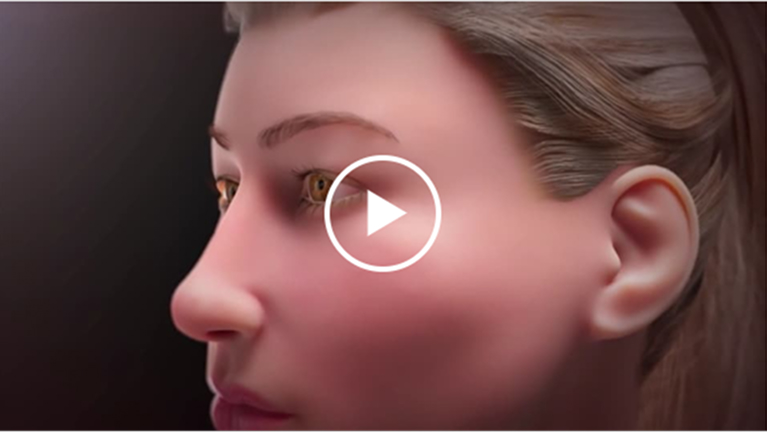
Watch the video to learn more about the differences between TED and Graves’ disease, and TED risk factors.
Debunking the myths
-
MYTH: TED is a symptom of Graves’ disease.
FACT: TED is a different condition from Graves’ disease.Graves’ disease is often associated with TED. This might be because people often have both diseases at the same time.
This may also be because both are autoimmune diseases. This means your body’s immune system attacks a healthy part of your body by mistake.
If you have Graves’ disease, your body’s immune system attacks the thyroid. If you have TED, your body’s immune system attacks the tissue behind your eyes. This can cause a number of different changes to your eyes.
TED is often called by different names containing the word Graves’ or thyroid, including:
- Graves’ eye disease
- Graves’ ophthalmopathy (GO)
- Graves’ orbitopathy
- Thyroid-associated orbitopathy (TAO)
- Thyroid-associated ophthalmopathy (TAO)
-
MYTH: You only get TED after you develop Graves’ disease.
FACT: You can develop TED without having Graves’ disease.While it’s true that many people are diagnosed with Graves’ disease before being diagnosed with TED, it’s not always the case. In fact, about 1 in 10 people with TED develop it without having Graves’ disease.
It’s also not uncommon for people to be diagnosed with TED before, during, or even after getting diagnosed with Graves’ disease.
-
MYTH: TED affects the same parts of the body as Graves’ disease.
FACT: TED affects the eyes and Graves’ disease affects the thyroid.Although “thyroid” is in the name, TED affects the muscle and fat tissue behind the eyes. This causes the tissue behind the eye to swell, which can make the eyes bulge and cause other eye-related symptoms.
Learn about common TED symptoms.Graves’ disease affects the thyroid, causing its own set of changes, such as a fast or irregular heartbeat, or anxiety.
-
MYTH: Any doctor can treat TED.
FACT: If you have TED, you should see a TED Specialist who has experience treating TED.TED Specialists usually have advanced training, and include oculoplastic surgeons, neuro-ophthalmologists, and strabismus surgeons.
Learn more about TED Specialists.TED requires specialized care from a multidisciplinary team of experienced care providers.
If you have both Graves’ disease and TED, your endocrinologist and your TED Specialist should stay in regular contact with each other. They need to work together to make the best treatment plan for you.
If you suspect you may have TED, talk to your doctor about seeing a TED Specialist.
-
MYTH: TED does not need to be treated in the active phase.
FACT: Treatments during the active phase of TED are aimed at suppressing inflammation and preventing complications.